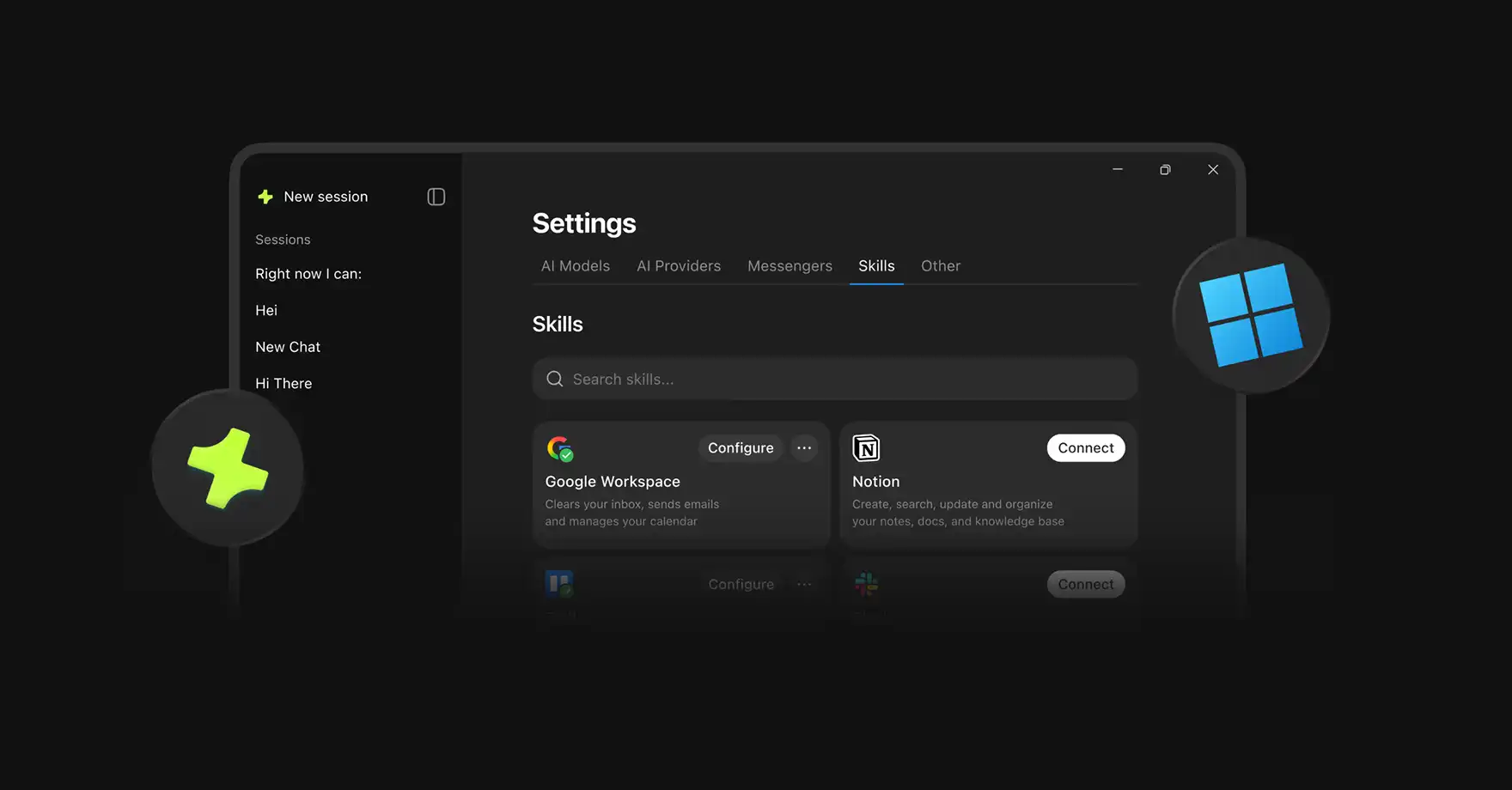
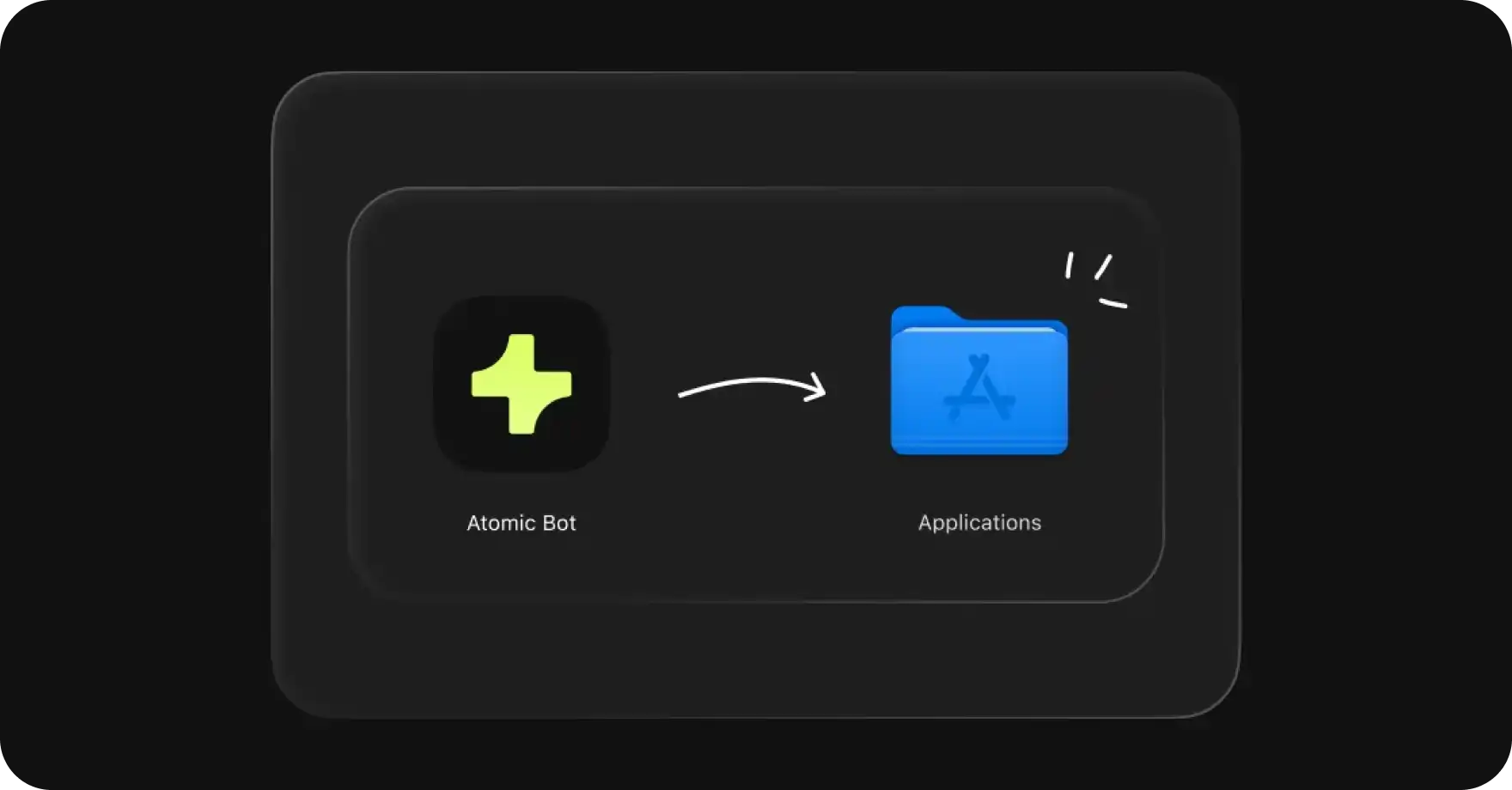
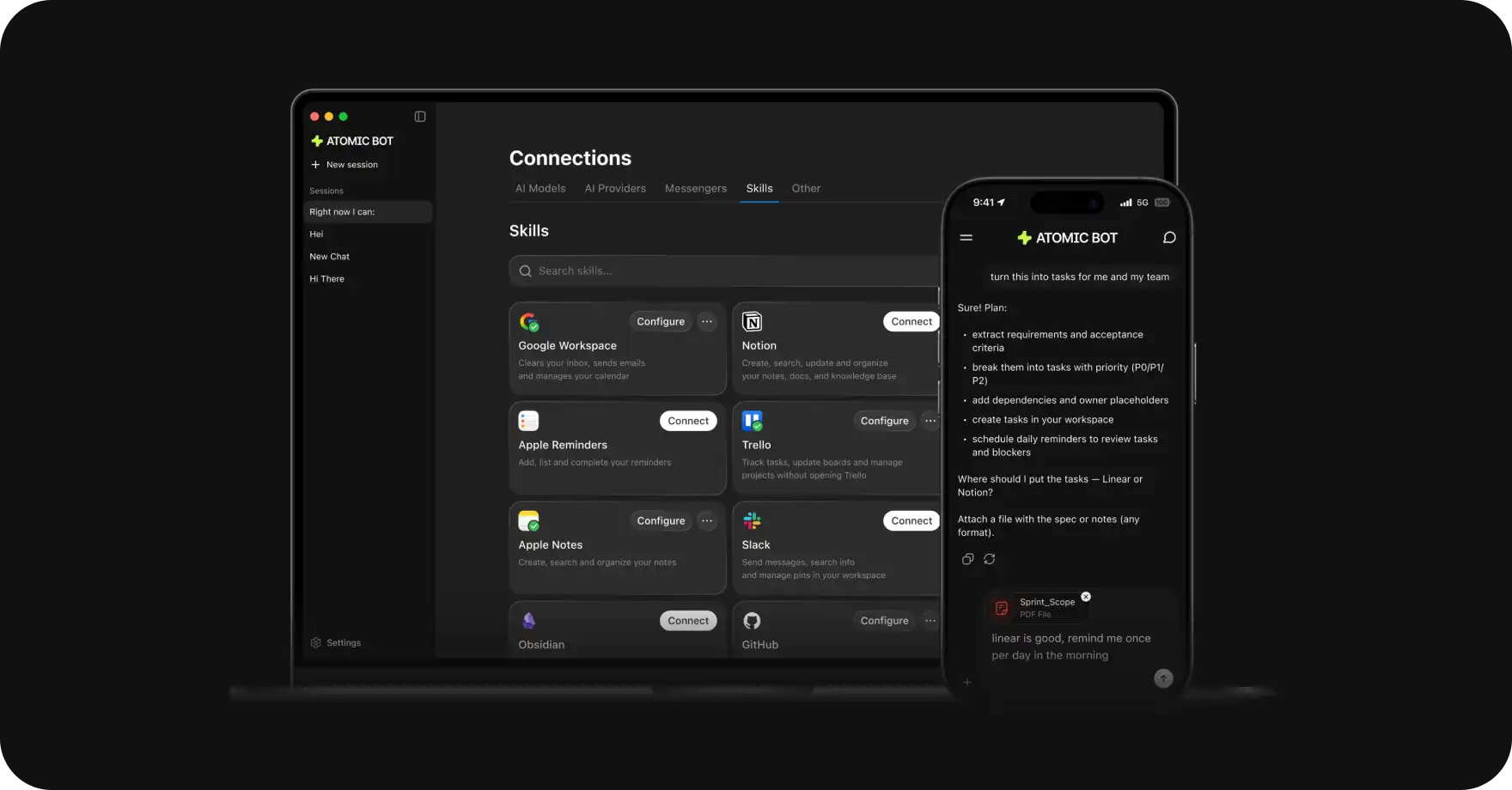
Atomic Bot is now available on Windows — completely free and open-source, bringing one click OpenClaw setup to PC users.
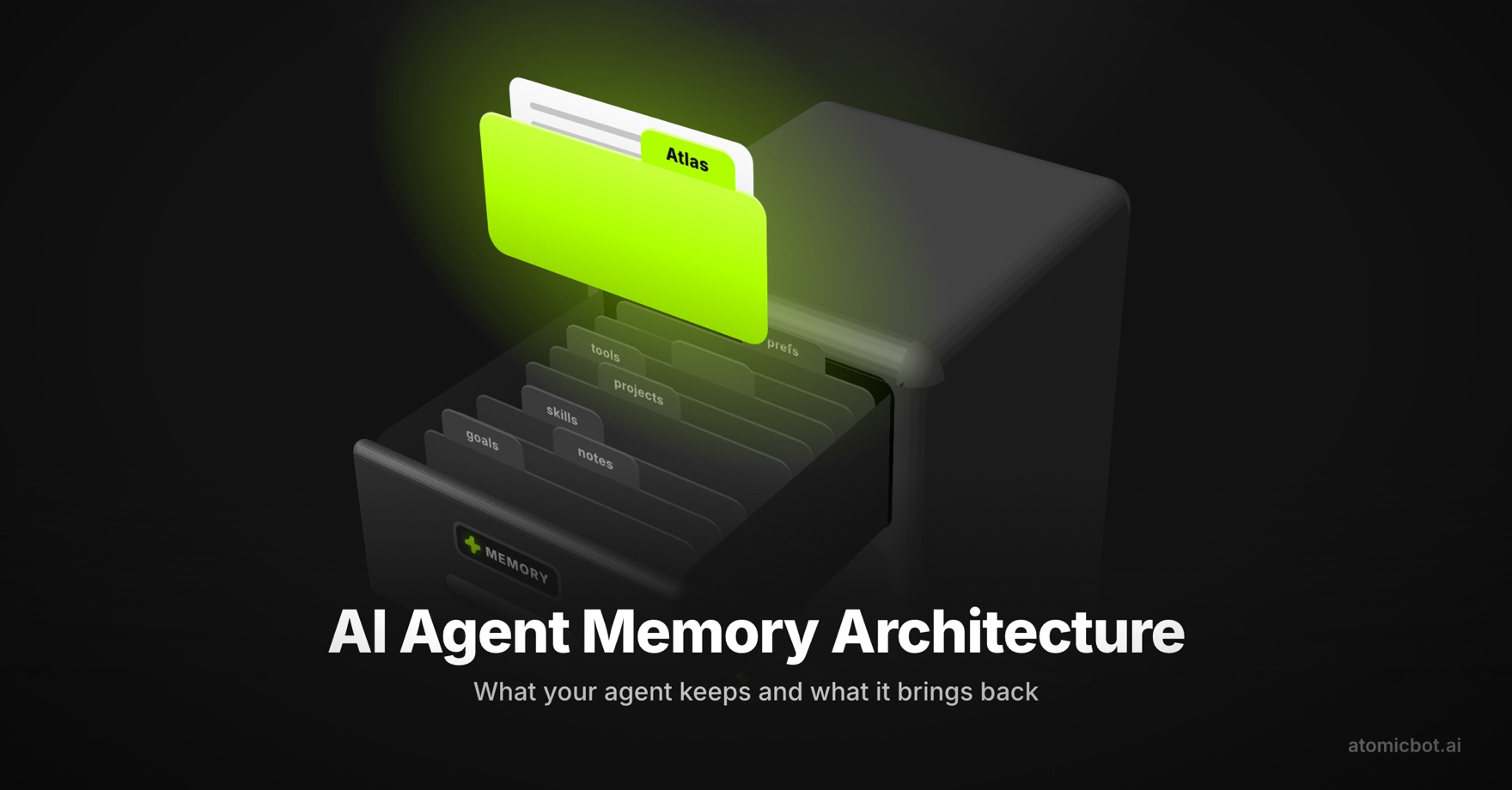
How AI agent memory works: what to persist across sessions, where to store it, how retrieval filters it, and why permissions belong in the design.
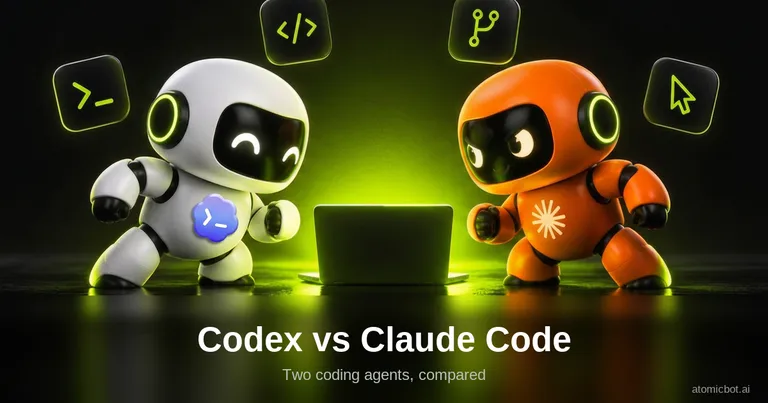
Codex and Claude Code solve 190 and 191 of the same 303 benchmark tasks. How they differ on price per task, usage limits, uptime and behaviour.
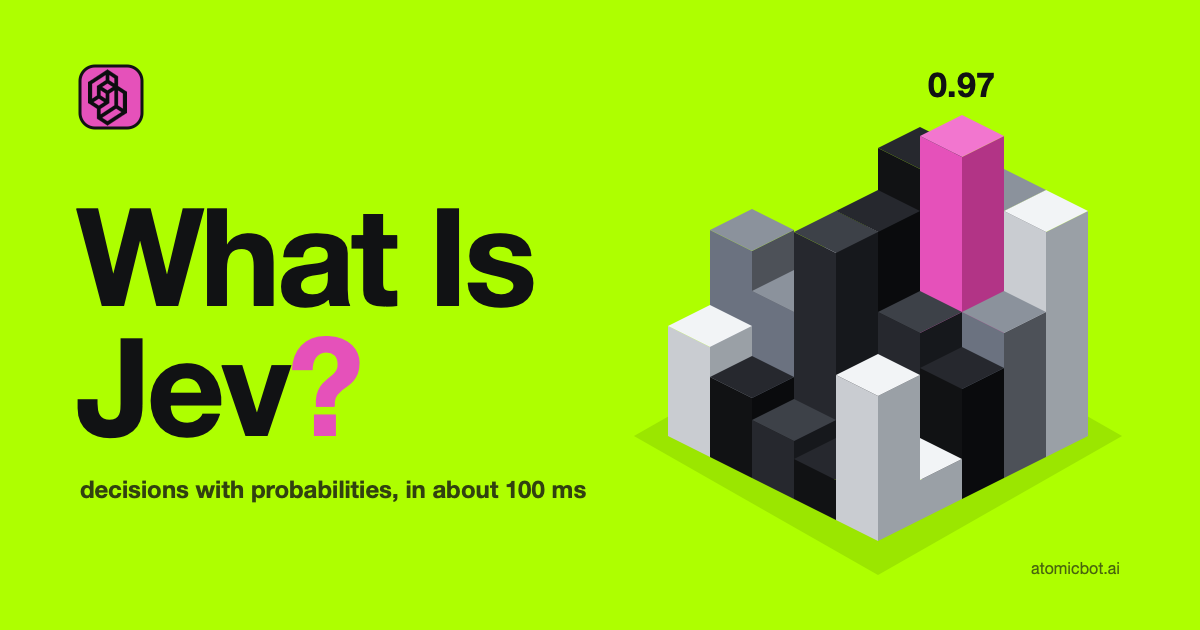
Jev is TypeSafe AI's System One model: typed decisions with calibrated probabilities in under a second, not text. How it works, pricing, and limits.
OpenClaw 2.0 moves your sessions into SQLite, and the warning about it is easy to miss. What changed, what breaks, and how to update without losing your history.
OpenClaw hosting in 2026: managed platforms, VPS and self-hosting compared, with real prices, renewal rates and documented requirements.
Hermes reads your Obsidian vault before you install anything. Three ways to connect them, which of the two plugins fits, and how to keep the agent out of notes it shouldn't touch.
DeepSeek Harness (dsh): an open-source agent harness where even the agent loop is a plugin. What it does, what it doesn't, and whether it's ready to use.
SpaceXAI's always-on agents cost $120 to $300 a month, and most launch coverage got the architecture backwards: your bots do not get a computer each. What Grok Bot actually does, what it costs, and what to run instead.
The best OpenClaw alternatives in 2026, compared by what they actually replace – Hermes, NanoClaw, Codex, Claude Cowork and more. Two you can try in one click.
Six ways to host OpenClaw in 2026, compared on price and specs: Contabo, Atomic Bot, Vultr, DigitalOcean, Hetzner, and Oracle.
A practical guide to naming your AI agent: when to use a human name versus a functional one, the rules that make a name work, 50 name ideas by category, the names every AI generator overuses (skip them), and how to name a whole team of agents.
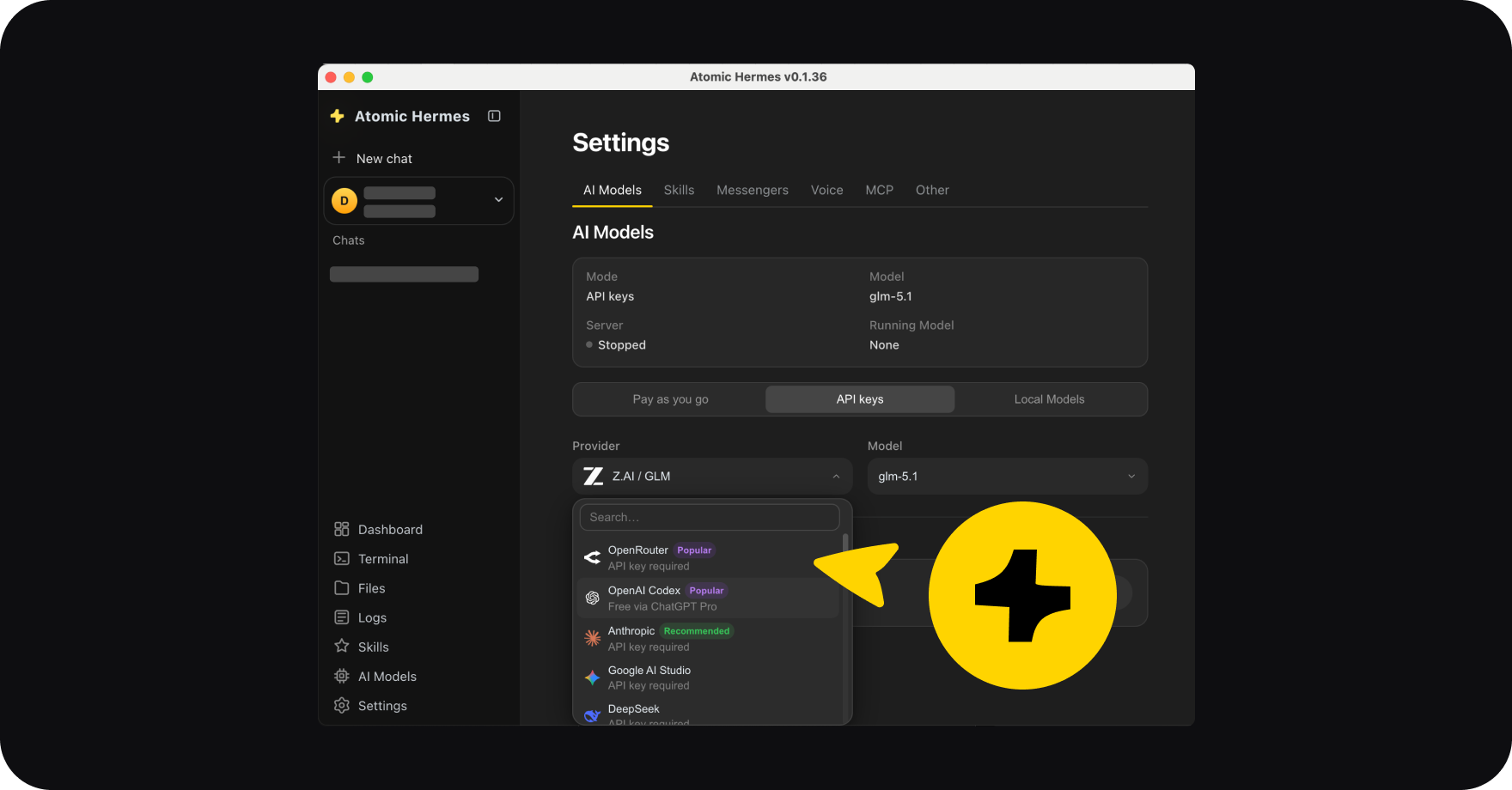
Claude Code is free to install but the Claude models behind it cost money to run. Here is what the free tier gives you, what the paid plans cost, and how to keep using Claude Code for free — including Atomic Bot, the best free alternative.
Perplexity Computer costs $200/month and runs only in the cloud. Here are the 6 best alternatives in 2026, led by Atomic Bot — a free, local AI agent built on OpenClaw and Hermes.
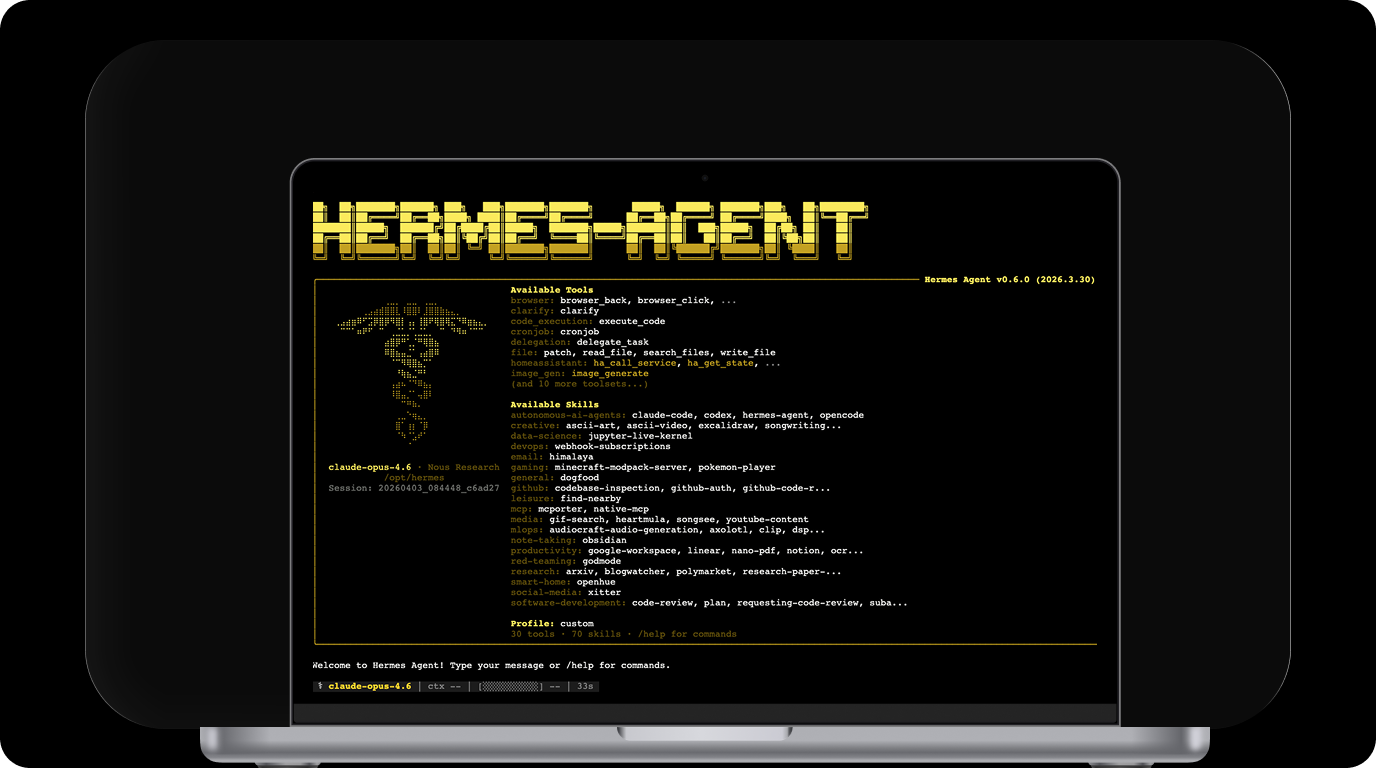
Five documented Hermes Agent workflows for developers: feature planning with parallel sub-agents, ticket-to-test automation, scheduled PR review, local TUI sessions, and Atomic Bot setup with HermesHub and messenger delivery.
NVIDIA's Nemotron 3 Ultra costs 10x less than GPT-5.5 and gets surprisingly close on practical tasks. We tested both with real physics simulations, pulled the official benchmarks, and break down honestly where GPT-5.5 still wins.
MiniMax M3 launched June 1 as the first open-weight frontier model with 1M context and native multimodality. Here's how it actually compares to Opus 4.7, Gemini 3.1 Pro, and GPT-5.5 on benchmarks, cost, and agentic tasks.
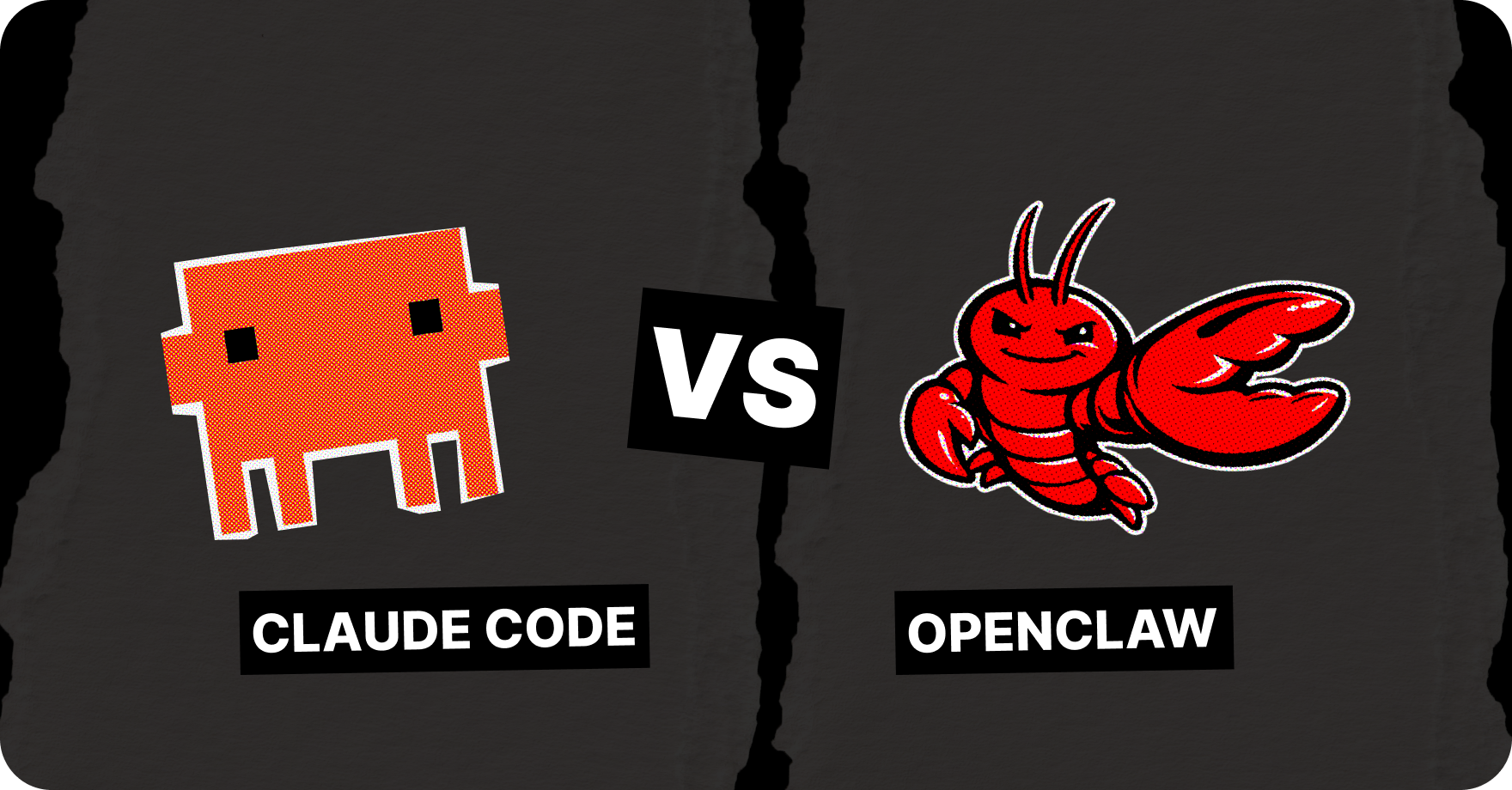
Claude Code vs OpenClaw compared for coding: setup, hardware, memory, and cost. See which agent fits your work, and why you might run both in 2026.
Real-user tips for running Hermes Agent: pick the right LLM, run it locally, set goals, and cut token costs. A practical setup guide for 2026.
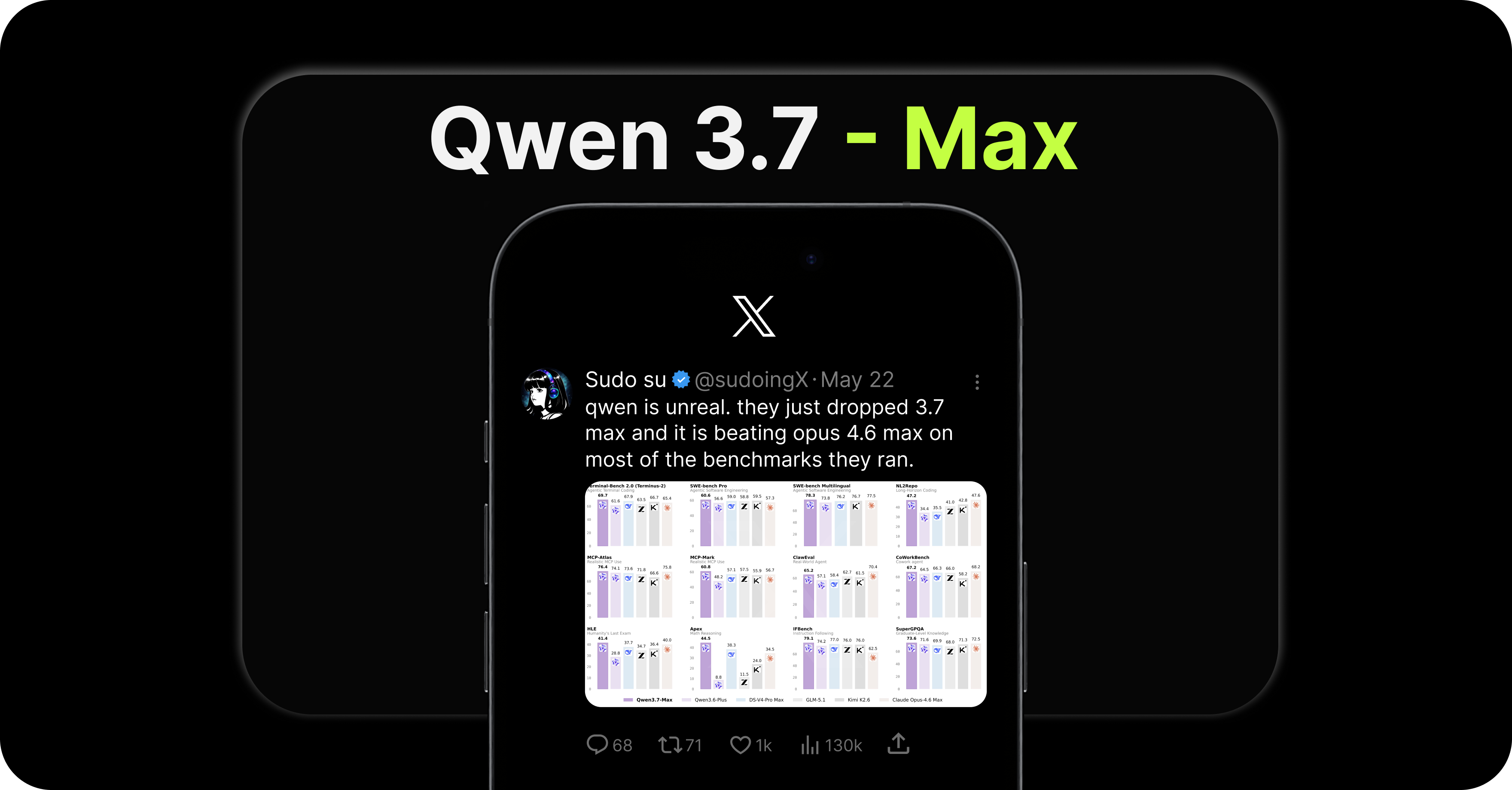
Qwen 3.7 Max hits top-3 agentic benchmarks at $1.20/M tokens. We tested it against Claude Opus 4.6 and GPT-5.5 on a real iterative task — here's what we found.
What is Lindy AI, what it costs, and how it works, plus honest pros, cons, and the best open-source alternatives (OpenClaw or Hermes Agent) in 2026
Hermes Agent learns from every task you give it and gets faster over time. How the agent works, who it's for, and why it isn't just another OpenClaw
OpenClaw owns the edges. Hermes owns the brain. Most "vs" articles want you to pick one — we ran both for weeks and concluded you shouldn't have to. Inside: architecture, install commands, model recommendations, and the cost breakdown for the dual-agent setup that actually works.
OpenClaw is free and open source, but running it can cost money — depending on how you set it up. Full breakdown of OpenClaw pricing, API model costs, hosting options, and potential hidden fees for 2026 — as well as ways to avoid or minimize them.
Learn what OpenClaw AI agent framework is — how it works, why you need it, and how to run it locally or in the cloud in just one click.
Quantization shrinks AI models so they run on regular laptops. Learn what Q4, Q8, and GGUF mean — and which one to download for local AI.
The 9 best OpenClaw skills for non-technical users. Organized by use case with estimated monthly costs. Stop using OpenClaw at 2% of its potential.
If you want to talk to your OpenClaw agent remotely, you need a way to tunnel into a loopback port. Most people reach for Tailscale, but there's an easier alternative.
Learn how to set up the OpenClaw Gateway, generate and configure the gateway token, and use start, restart, stop, and status commands. Includes fixes for pairing required errors.
Is OpenClaw safe? Learn OpenClaw security best practices for 2026 — from sandbox mode and API key protection to hardening your AI agent setup against prompt injection and data leaks.
This article walks you through 15 most powerful ways to use OpenClaw with specific examples — copy them, use them for inspiration, and automate your work and life.
Before you install OpenClaw, make sure your machine can handle it. Here are the minimum and recommended system requirements for every platform — macOS, Windows, Linux, VPS, and even Raspberry Pi.
There are five ways to install OpenClaw, but the fastest path on any platform is Atomic Bot — a desktop app for macOS and Windows that handles the entire installation in a few clicks.
AI agents are everywhere in the headlines in 2026. But what’s the actual difference between agents and chatbots? And do you really need an agent? In this article, we break down the differences and explore when each one makes sense.
Discover 15 real AI agent use cases in 2026 — from enterprise customer service and supply chain to personal email triage and smart home automation. Practical examples and how to get started.
OpenClaw is a free, open-source AI agent that runs on your computer and lets you automate real-world tasks — like emails, calendar, files, browser, and shell commands.
There are two main ways to set up OpenClaw on a Mac. This guide walks through both approaches and explains each in detail.
A practical guide to the best local LLMs in 2026. Compare GLM-5.1, DeepSeek V4, Qwen 3.6, Gemma 4, MiniMax M2.5 by VRAM, task, and what they actually do well.
This guide breaks down the most widely used AI automation software in 2026, explains what each tool is actually good at, and shows which category makes sense depending on what you’re trying to automate.
.svg)



.webp)
.webp)

.webp)